











Single Tooth Implant in India: Cost, Procedure, Benefits, Recovery & Care Guide
Losing one tooth can affect much more than the appearance of your smile. A missing tooth may make chewing uncomfortable, create a noticeable gap, or make you feel less confident when speaking or smiling. Fortunately, modern dentistry offers several ways to replace a missing tooth, and dental implants are one of the options that can closely replicate the structure of a natural tooth.
For someone considering a replacement for a single missing tooth, understanding how implants work, what the treatment involves, how much it may cost, and what recovery looks like can make the decision easier to discuss with a dental professional.
What Is a Single Tooth Implant?
A single tooth implant is a dental restoration designed to replace one missing tooth. Unlike a traditional bridge, an implant-supported replacement does not require relying on neighbouring teeth for support.
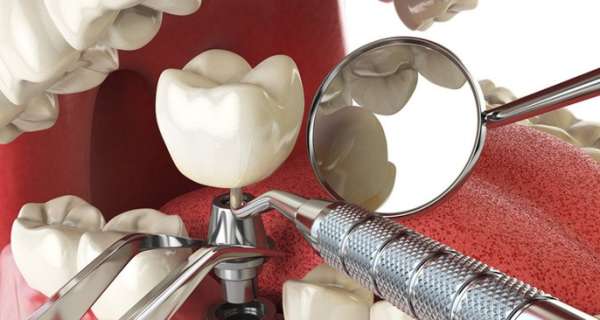
The treatment generally involves three main components:
- Dental implant: A small biocompatible post placed into the jawbone.
- Abutment: A connector that links the implant to the replacement tooth.
- Dental crown: The visible tooth-shaped restoration placed over the implant and abutment.
- The implant acts as an artificial tooth root. Once the implant has integrated with the surrounding bone, it can provide a stable foundation for the final crown.
This makes a single dental implant different from a removable denture because the replacement is anchored to the jaw rather than simply resting over the gums.
Who May Be a Candidate for a Single Tooth Implant?
An implant is not automatically suitable for everyone. A dentist or implant specialist needs to evaluate the mouth, jawbone, gums, general dental condition, and other relevant factors before recommending treatment.
A typical assessment may consider:
The location and condition of the missing tooth
Available jawbone volume and density
Gum health
Oral hygiene
Existing dental restorations
Bite and spacing
Medical and dental history
Smoking or tobacco use
Whether bone augmentation may be necessary
For example, imagine someone who lost a molar several months ago. The neighbouring teeth may still be healthy, but the missing space makes chewing on that side uncomfortable. If there is sufficient bone and the surrounding oral tissues are healthy, an implant-supported crown may be considered as one possible treatment.
A proper clinical examination is essential before deciding.
How Does the Dental Implant Procedure Work?
The exact process varies according to the patient's condition, but treatment commonly takes place over several stages.
First, the dentist evaluates the missing tooth area and may use dental X-rays or three-dimensional imaging to examine the jawbone and surrounding structures.
If an implant is appropriate, the implant fixture is surgically placed into the jawbone. The area is then allowed to heal so that the implant can integrate with the surrounding bone.
After the healing and integration period, an abutment may be attached. The dentist then takes the necessary impressions or digital scans to create a crown that matches the size, shape, and colour of the surrounding teeth.
Finally, the permanent crown is attached to the implant.
The overall timeline can therefore extend over several months, particularly when additional procedures such as bone grafting are required. Some cases may follow a different schedule depending on bone quality, tooth location, and the treatment approach.
Is a Single Tooth Implant Painful?
Many patients worry about discomfort during implant placement. The procedure is normally performed using local anaesthesia, which numbs the treatment area.
After surgery, some swelling, tenderness, or mild discomfort can occur as the tissues heal. The level and duration of discomfort can vary depending on the complexity of the procedure and the individual patient.
Following the dentist's postoperative instructions is important. Patients should also contact their dental provider if they experience unusual or worsening symptoms rather than assuming that severe discomfort is part of normal recovery.
Single Tooth Implant Cost in India
One of the most important questions patients have is the single tooth implant cost.
There is no single price that applies to every patient in India. The total treatment expense can vary according to the implant system selected, crown material, diagnostic requirements, dentist's expertise, location, laboratory charges, and whether additional procedures are required.
The final cost may include several separate components:
Initial dental consultation
X-rays or 3D imaging
Implant fixture
Surgical placement
Abutment
Dental crown
Temporary restoration, when required
Bone grafting or other preparatory treatment, if necessary
Follow-up appointments
Patients comparing treatment prices should therefore ask what is included in the quoted package. A lower initial figure may not represent the complete treatment cost if the crown, imaging, or other components are billed separately.
For accurate pricing, a dental examination and personalised treatment plan are more useful than relying on a general online estimate.
Benefits of Replacing a Missing Tooth With an Implant
A dental implant can offer several functional and aesthetic benefits when it is clinically appropriate.
Potential advantages include:
A stable replacement for a missing tooth
A natural-looking appearance
Support for normal chewing function
No need to rely on neighbouring teeth for support
Easy integration into a regular oral-hygiene routine
A fixed alternative to a removable tooth replacement
However, implants are not a universal solution. The most appropriate replacement may depend on the patient's oral health, preferences, anatomy, budget, and long-term treatment goals.
How to Care for a Dental Implant
Good dental implant aftercare begins immediately following treatment and continues for as long as the implant is present.
Your dentist may provide specific instructions concerning eating, brushing, medication, and activity after surgery. Once the implant and crown are fully restored, maintaining good oral hygiene remains important.
Useful habits include:
- Brush your teeth regularly using appropriate technique.
- Clean carefully around the implant crown.
- Floss or use an interdental cleaning method recommended by your dentist.
- Attend regular dental check-ups.
- Have professional cleaning when recommended.
- Avoid using the implant to bite unnecessarily hard objects.
- Report bleeding, swelling, discomfort, or changes around the implant.
Although the implant itself is artificial, the surrounding gums and bone are still living tissues and require proper care.
How Long Can a Single Dental Implant Last?
The lifespan of an implant varies between individuals. Factors such as oral hygiene, gum health, bone condition, smoking, bite forces, regular dental care, and overall treatment quality can influence long-term outcomes.
The crown may experience normal wear over time and could eventually require repair or replacement, even when the implant itself remains stable.
This is why an implant should be viewed as a long-term dental treatment rather than something that requires no maintenance after placement.
Implant vs Dental Bridge for One Missing Tooth
A bridge and an implant can both be used to replace a single missing tooth, but they work differently.
A traditional bridge generally uses neighbouring teeth as support, while an implant-supported crown is anchored through an implant placed in the jawbone.
The choice depends on factors such as:
- Health of neighbouring teeth
- Jawbone condition
- Gum health
- Treatment timeline
- Cost
- Personal preference
- Suitability for surgery
A dentist can explain the advantages and limitations of each option after examining the specific missing-tooth area.
Frequently Asked Questions
1. What is a single tooth implant?
It is a dental restoration used to replace one missing tooth. A titanium or other suitable implant fixture is placed in the jawbone and eventually supports an abutment and dental crown.
2. How much does a single tooth implant cost in India?
The tooth implant cost in India varies depending on the implant system, crown material, location, diagnostic tests, dental provider, and additional procedures. A personalised quotation is required because treatment needs differ between patients.
3. How long does a dental implant procedure take?
The surgical placement itself may be relatively short, but the complete treatment can take several months because the implant may need time to integrate with the jawbone before the permanent crown is fitted.
4. Can I eat normally after getting an implant?
Immediately after implant surgery, your dentist may recommend a modified diet while the surgical area heals. Once treatment is complete and the permanent crown has been placed, most patients can use the restored tooth normally while following appropriate dental-care advice.
5. Is a dental implant better than a bridge?
Neither option is universally suitable for every patient. An implant and a bridge have different treatment requirements, benefits, limitations, and costs. The condition of the neighbouring teeth and jawbone, along with your individual treatment needs, should be considered before choosing between them.
Final Thoughts
Replacing one missing tooth can restore both function and confidence, but choosing the right treatment requires more than comparing prices online. A single tooth implant can provide a fixed replacement supported by an artificial tooth root, provided the patient's oral condition and anatomy are suitable.
Understanding the single tooth implant cost, treatment stages, recovery requirements, and long-term maintenance can help you have a more productive conversation with your dentist. A detailed examination and personalised treatment plan should always guide the final decision.




































0 Comments