






White label PPC services provide digital marketing agencies with an efficient way to manage pay-per-click campaigns for clients while maintaining their branding. Whether it's Google Ads, Bing Ads, or social media advertising, white label PPC allows agencies to deliver exceptional results without the complexities of in-house management.
What Are White Label PPC Services?
White label PPC services involve outsourcing pay-per-click campaign management to a third-party provider, who remains invisible to the client. These services ensure that your agency can offer comprehensive PPC solutions under your own brand.
Key Features:
- Fully managed PPC campaigns.
- Customized reports with agency branding.
- Expertise in multiple advertising platforms.
Why Agencies Should Choose White Label PPC Management
Managing PPC campaigns in-house requires expertise, tools, and time. For many agencies, outsourcing PPC to a white label provider offers a practical and profitable solution.
Benefits Include:
- Expertise on Demand: Access to certified PPC specialists.
- Cost Savings: No need to hire or train an in-house team.
- Scalability: Handle more clients and larger campaigns effortlessly.
Understanding the Role of a White Label PPC Agency
A white label PPC agency functions as an extension of your team, handling all aspects of campaign management.
Services Offered:
- Keyword research and selection.
- Ad copy creation and testing.
- Campaign monitoring and optimization.
- Detailed performance reporting.
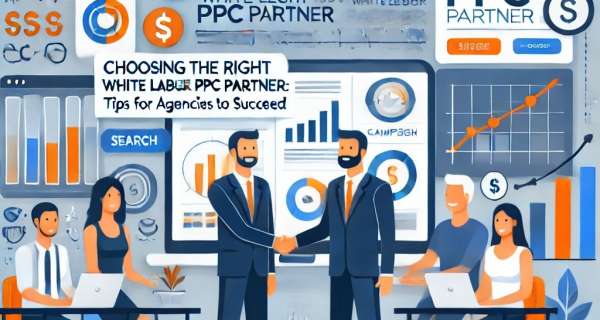
Tips for Choosing the Right White Label PPC Partner
Selecting the right partner is critical to your agency’s success. Here are key considerations:
- Experience and Expertise: Choose a partner with a proven track record in PPC management.
- Transparent Pricing: Ensure there are no hidden fees.
- Communication: Look for a partner with clear and responsive communication.
Key Features of a Good White Label PPC Partner
A great white label PPC partner stands out through their ability to meet your agency's unique needs.
Must-Have Qualities:
- Advanced tools for campaign optimization.
- Regular updates on campaign performance.
- Flexibility to handle campaigns of varying sizes.
How White Label PPC Services Can Benefit Small Businesses
White label PPC services are a game-changer for small business SEO agencies. These services make it possible for small businesses to compete effectively with larger firms by leveraging targeted advertising strategies.
Key Advantages:
- Affordability: Cost-effective campaigns tailored to budget constraints.
- Improved ROI: Efficient use of advertising spend to maximize returns.
Integrating SEO and White Label PPC for Success
Combining white label PPC and SEO strategies can drive significant results for your clients. While SEO builds organic visibility, PPC provides immediate traffic and conversions.
Best Practices:
- Use PPC to test keywords before integrating them into SEO campaigns.
- Create landing pages optimized for both SEO and PPC campaigns.
The Importance of Customized SEO Packages for Small Businesses
Small businesses often have unique needs that require personalized solutions. Offering tailored SEO packages alongside PPC services ensures comprehensive coverage of client goals.
Common Elements in SEO Packages for Small Businesses:
- Local SEO optimization.
- On-page and off-page SEO.
- Regular performance tracking and updates.
Common Challenges in White Label PPC Services
Agencies may face challenges when working with white label PPC providers. These include:
- Communication Gaps: Overcome this by setting clear expectations.
- Quality Concerns: Partner with reputable providers.
- Client Satisfaction: Regular updates and transparent reporting can help.
Emerging Trends in White Label PPC Management
The PPC landscape is constantly evolving. To stay ahead, agencies should be aware of these trends:
- AI-Driven Campaigns: Automating bid adjustments and ad targeting.
- Voice Search Advertising: Optimizing for voice queries.
- Data-Driven Decisions: Using analytics to refine campaign strategies.
Tools Used in White Label PPC Services
White label PPC providers rely on advanced tools to deliver results:
- Google Ads: A staple for search and display advertising.
- Bing Ads: A valuable platform for targeting diverse audiences.
- Analytics Tools: Detailed insights into campaign performance.
How to Scale Your Agency with White Label PPC and SEO Services
Scaling your agency becomes easier when you leverage both white label PPC and SEO services. These complementary strategies help you attract more clients and deliver measurable results.
FAQs About White Label PPC and SEO Services
1. What is white label PPC?
White label PPC is the outsourcing of PPC management to a third-party provider, rebranded as your agency's service.
2. Why should agencies use white label PPC services?
White label PPC offers scalability, cost savings, and access to expert campaign management.
3. How do white label PPC services benefit small businesses?
Small businesses gain affordable, targeted advertising solutions that improve visibility and ROI.
4. What are SEO packages for small businesses?
These are tailored solutions including local SEO, content creation, and performance tracking designed for small business needs.
5. What should agencies look for in a white label PPC partner?
Agencies should prioritize experience, transparency, and communication when selecting a partner.
6. Can white label PPC and SEO work together?
Yes, integrating these strategies ensures both immediate and long-term growth for clients.
Conclusion
Choosing the right white label PPC partner is crucial for agencies looking to scale and succeed. By combining expert PPC services with tailored SEO packages for small businesses, your agency can deliver unparalleled results and grow your client base efficiently.































0 Yorumlar