





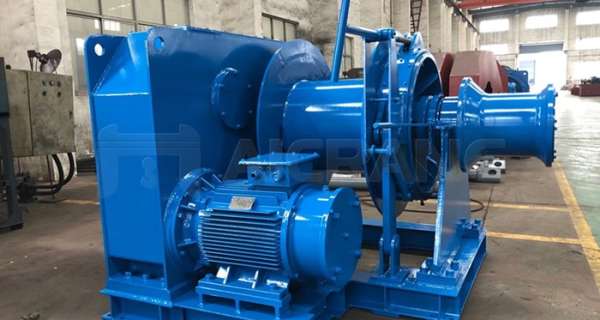
Mooring systems are essential to the achievements offshore oil rigs as well as other ocean-bound vessels. The electrical mooring winch can be a new innovation which may be the next standard with this field. Providing a substitute for traditional hydraulic or manual winches, these devices use electricity to power their motors and supply superior efficiency for virtually any task. Because of so many benefits, it's not surprising they're quickly becoming more popular than before.
How to Use a power Mooring Winch: Helpful Tips
An electric mooring winch takes a power source along with an operator to guide the wire rope. These products can be utilized on any vessel that cannot run its propellers while floating set up, like most oil rigs or cruise ships with large open decks. However, they're also commonly seen on tugboats and also other smaller boats where space is limited.
The first step would be to attach the wire rope of your own choosing by using a special type of shackle that may handle high amounts of tension without snapping or damaging the line. Once this heavy-duty snap hook continues to be attached, you'll should launch the electric mooring winch and slowly feed out the grip coil as necessary. The wire rope will then be fed outside in a controlled manner by moving the winch crank from the opposite direction of your wire. The procedure is reversed to give everything back on your boat when you're done.
Two kinds of Electric Mooring Winches
There are 2 forms of electric mooring winches: standard and high-duty. Standard models are designed for approximately 44,000 lbs of tension in the wire rope that they're feeding out while also providing a quicker speed (-69 feet a minute) than their counterparts. Heavy-duty versions can withstand more force by having an increased maximum load capacity of 110,000 lbs. Along with their strength, most of these electric mooring winches supply a faster speed (-104 feet per minute) than standard models.
In addition there are two ways that one could control an electrical mooring winch: by hand or by using a remote controller. A manual mode permits the operator to regulate the winch with a lever or crank while it's used. With an electric mooring winch which has been outfitted by using a remote controller, you are able to adjust your line tension from anywhere onboard without needing to be nearby the device itself.
Which kind of Boat Uses Electric Mooring Winches?
Electric mooring winches offer such a wide range of benefits that they're becoming more and more favored by boats of all sorts. They can be used on any vessel so long as it has the ability source for their motor, which makes them great options for people who want to save money without having to sacrifice safety or security.
They are perfect for oil rigs and also other ocean-bound vessels that must remain stationary while at sea. These sorts of ships can be extremely large, rendering it difficult to manually pull-up the line by using a winch or crank. Having an electric mooring winch, you'll have no problem locking to your boat when docking or anchoring in calm waters where maneuverability is restricted.
Additionally, they are also incredibly helpful on tugboats and also other vessels that must travel through tight waterways. Since they're fully automated, it is possible to manage your line tension while guiding the boat while not having to get up from the seat or leave an open deck space for safety reasons. This will make them great choices for any captain looking for a far more convenient way to dock.
These are typically also frequently used on cruise lines with large open decks where boats can readily crash into one other during docking procedures. These vessels often times have lots of crew members who happen to be juggling various responsibilities right away, which makes it hard for everyone to coordinate their efforts when pulling in the line or guiding the boat. An electrical mooring winch can completely eliminate this challenge by taking control of both tasks without the need for human input - something that's especially important when docking in high traffic areas or dealing with rough varying weather conditions. A winch exporter can help you find an ideal product.


























0 تعليقات